Designing Environments that Nurture the Joy of Play
| March 2026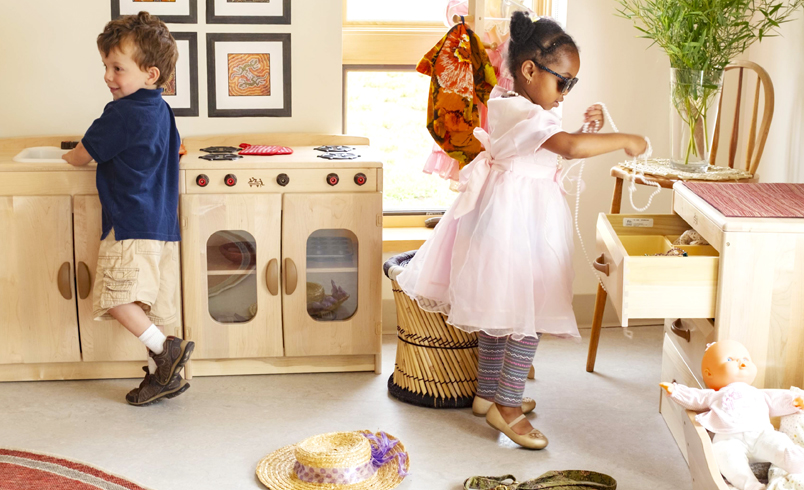
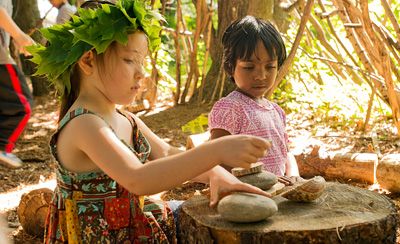
I wish that I knew when I was playing that what I was experiencing was joy.
This joy, that comes from play, is a mindset that lasts when we allow it. It isn’t reserved for children, but the young at heart—those who seek moments to play with ideas, who explore the space that surrounds them, who know discovery brings moments of awe and wonder.
Walk into a thoughtfully designed early childhood classroom, and you’ll immediately notice it feels different. There’s a hum of purposeful activity, but it’s not chaotic. Children are exploring, building, testing, and laughing. Materials are accessible, furniture is sized for little bodies, and the space seems to invite curiosity. What you’re seeing is play-based learning in action, supported and elevated by intentional design.
We play to escape. We play to connect. We play to compete. We play because it is a natural way of being, but play-based learning doesn’t exist in spaces where it isn’t nurtured. It needs a habitat, an environment that signals possibility, openness, and safety. It needs friends who bring it to life and teachers who orchestrate the experience with deep intention. It needs time, that most precious resource, to stretch, evolve, and sustain the spark.
This is why the physical environment matters.
For educators and early childhood directors, the connection between space and learning is intuitive. But for many administrators and parents, the link isn’t always clear. To advocate for investment in classroom design, whether funding, flexibility, or philosophical buy-in, we must articulate not only the function of a well-designed space, but its soul. Designing for play-based learning is not a luxury; it’s a necessity.
Why Intentional Design Matters in Early Childhood Classrooms
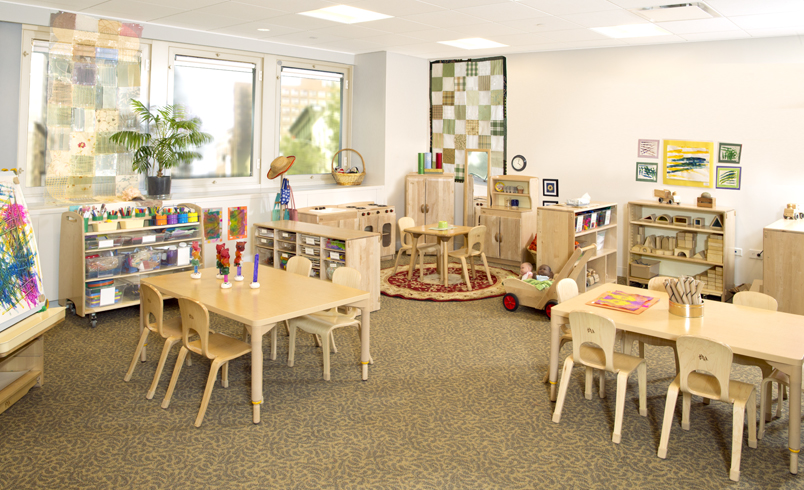
Classroom environments are not neutral. They send messages to students, teachers, and families about what’s valued. The arrangement of materials, the lighting, the visuals, and the overall flow of a space communicate more than we often realize. The question is: are we being intentional about the story our classrooms are telling?
In early childhood settings, where learning is intertwined with movement, discovery, and play, design becomes even more critical. A well-designed environment doesn’t just house the learning; it enables it.
And more than that, it cultivates a mindset.
Play-based learning begins in early childhood spaces, but the absence of play as learning progresses endangers deeper learning everywhere. We see the consequences in classrooms that silence curiosity, restrict movement, and replace wonder with compliance.
The best spaces treat children not as passive recipients of information, but as powerful, imaginative thinkers. They give children what they truly need: environments in which to lose themselves in learning and to find joy along the way.
The Environment as an Invitation to Play
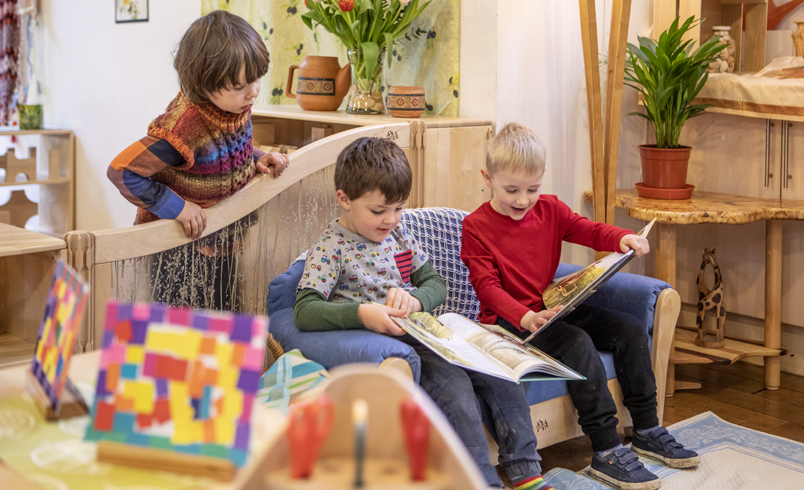
Play-based learning thrives in responsive spaces. It is not just a strategy; it’s a philosophy rooted in how children naturally learn. It is social, tactile, imaginative, and iterative, but it doesn’t thrive in a vacuum. For play to flourish, the environment must be flexible, inviting, and purposeful.
In flexible environments, teachers and students can move through a variety of activities quickly and without long transitions that break the energy and joy of play-based learning. The flexibility empowers students to explore and discover new things or remain focused on a zone or activity that brings them heightened learning energy that day.
Inviting environments are crafted through a series of hundreds of small, but necessary design decisions. When should the overhead lights be used or when should we go with just the natural light? How can we use color to draw attention without being overstimulating? How can we rotate the zones and activities without changing everything every day? How can we let students lead with curiosity while covering all of the learning topics waiting to be introduced? These questions, when answered with intention, craft a room that draws students in and invites them to play.
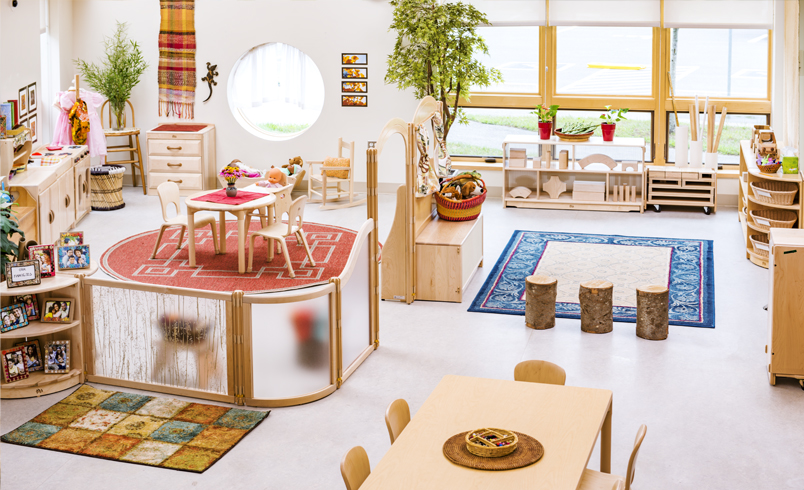
Purposeful environments are personal environments that see the individual needs of the students served in the space. Not every student's whim can be acted on each moment, but a space that launches the mindset of play sees patterns in the needs of students and moves materials and supplies into access. It opens doors to new discovery both inside the classroom and in all spaces of learning throughout the building. When we trust that play is primary, the purpose of the room quickly shifts to enable these natural ways of learning.
Play-based learning struggles in rigid, over-managed environments. It needs room to expand to follow the child’s lead. It doesn’t lie in spaces where it isn’t nurtured.
The Environment Builds Student Agency
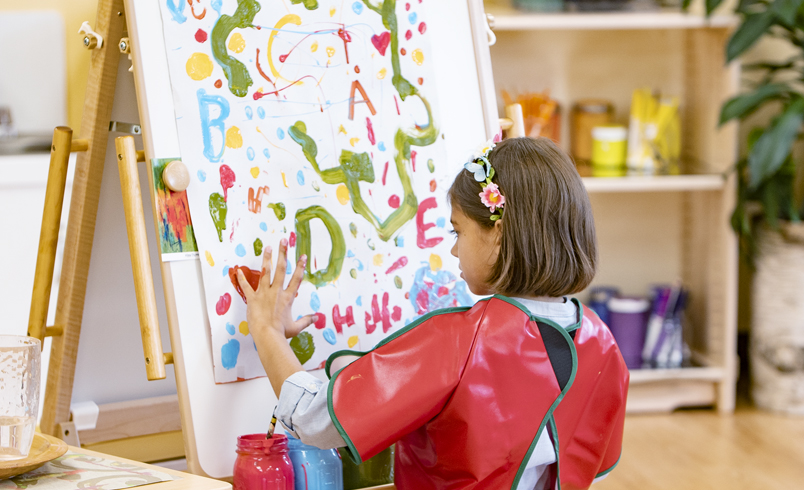
Agency in early childhood doesn’t mean total freedom; it means meaningful choice. When students can select materials, choose where to sit, and decide how to engage, they begin to see themselves as capable learners.
Intentional design supports this by:
- Placing materials within reach, not locked away or out of sight.
- Using visual cues so children can self-navigate the room.
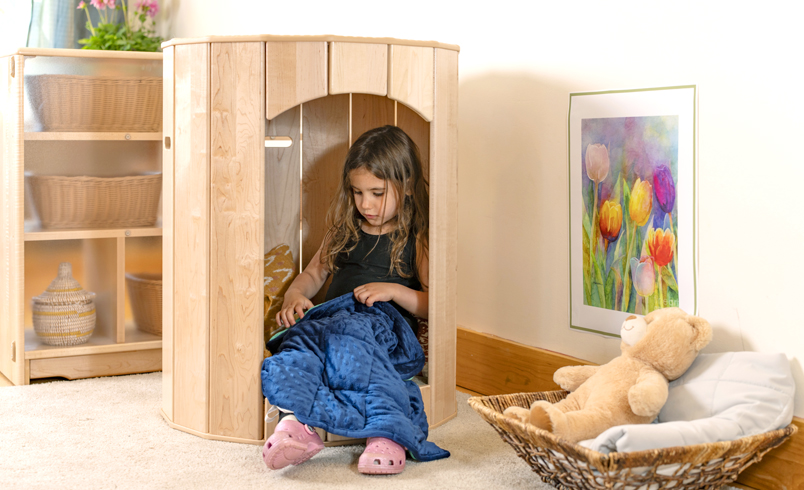
- Providing movement and comfort (cozy nooks, floor seating, standing tables).
- These choices communicate trust. They tell a child: This space is for you. You belong here.
Teachers Thrive in Designed-for-Learning Spaces
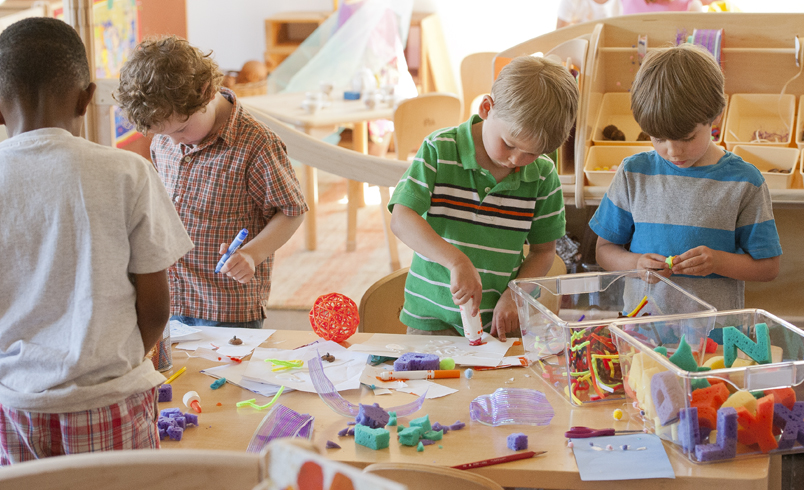
Play-based learning isn’t just for students. It’s for teachers, too, because to design these experiences requires creativity, flexibility, and joy.
When educators work in environments that support their goals, they experience:
- Fewer management challenges – because children understand expectations and rhythms.
- More professional satisfaction – because their creativity is visible and valued.
- Improved wellbeing – because the space supports calm and focus.
- We sometimes forget that the learning environment is also the teaching environment.
What Else Administrators and Parents Need to Hear
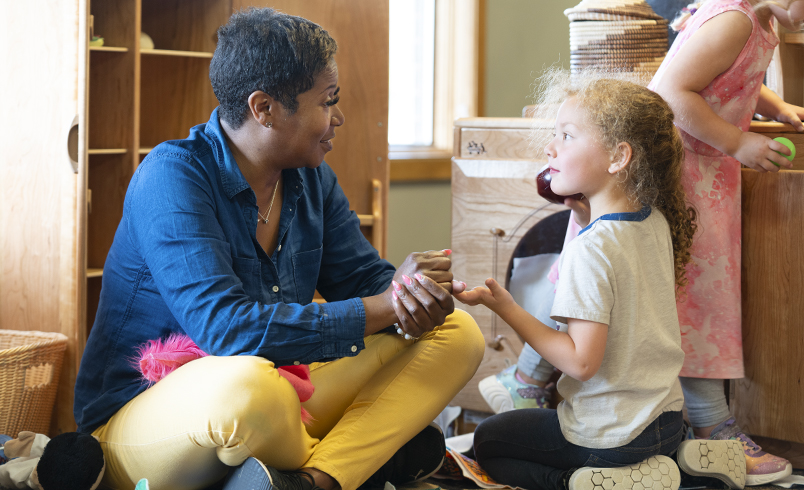
Despite the benefits, educators often face resistance when proposing design changes. Budgets are tight. Time is short. And the importance of space is misunderstood.
Here are some comments and concepts that have helped to reframe the conversation in other schools that have worked through these issues.
- Play-based learning is a mindset; we’re building it on purpose.
- We’re not just decorating. We’re designing for learning, agency, and joy. Every element of this space supports exploration, collaboration, and growth.
- This classroom culture invites risk-taking and wonder. The space helps us teach those values every day.
- This is emotional and cognitive architecture.
- Children learn best when they feel safe and supported. The environment contributes directly to that sense of security.
- We use soft lighting and calm colors to reduce anxiety. Cozy spaces give children control over their sensory experience.
- A beautiful, organized environment shows children their ideas matter—that this is a place worthy of their time.
- We design for all learners, using multilingual visuals, sensory supports, and culturally responsive materials.
- How can we introduce more awe and wonder?
Play as Pedagogy, Space as Invitation
At the heart of this work is a truth we often forget: play is not separate from learning. It is the deepest, most authentic form of it.
Play invites children to imagine, test, fail, and try again. It builds persistence, empathy, communication, and creativity. It creates space for awe for those sparks of wonder that become the foundation of lifelong learning.
But play needs a place to live.
The classroom is more than a backdrop. It’s a co-teacher. A signal. A message. A promise. Let’s design spaces that honor that truth, not just for our youngest learners, but for all of us who still dare to play.